Desiccant Bags for Automotive: Moisture Protection for Components and Spare Parts

Contact us for more information

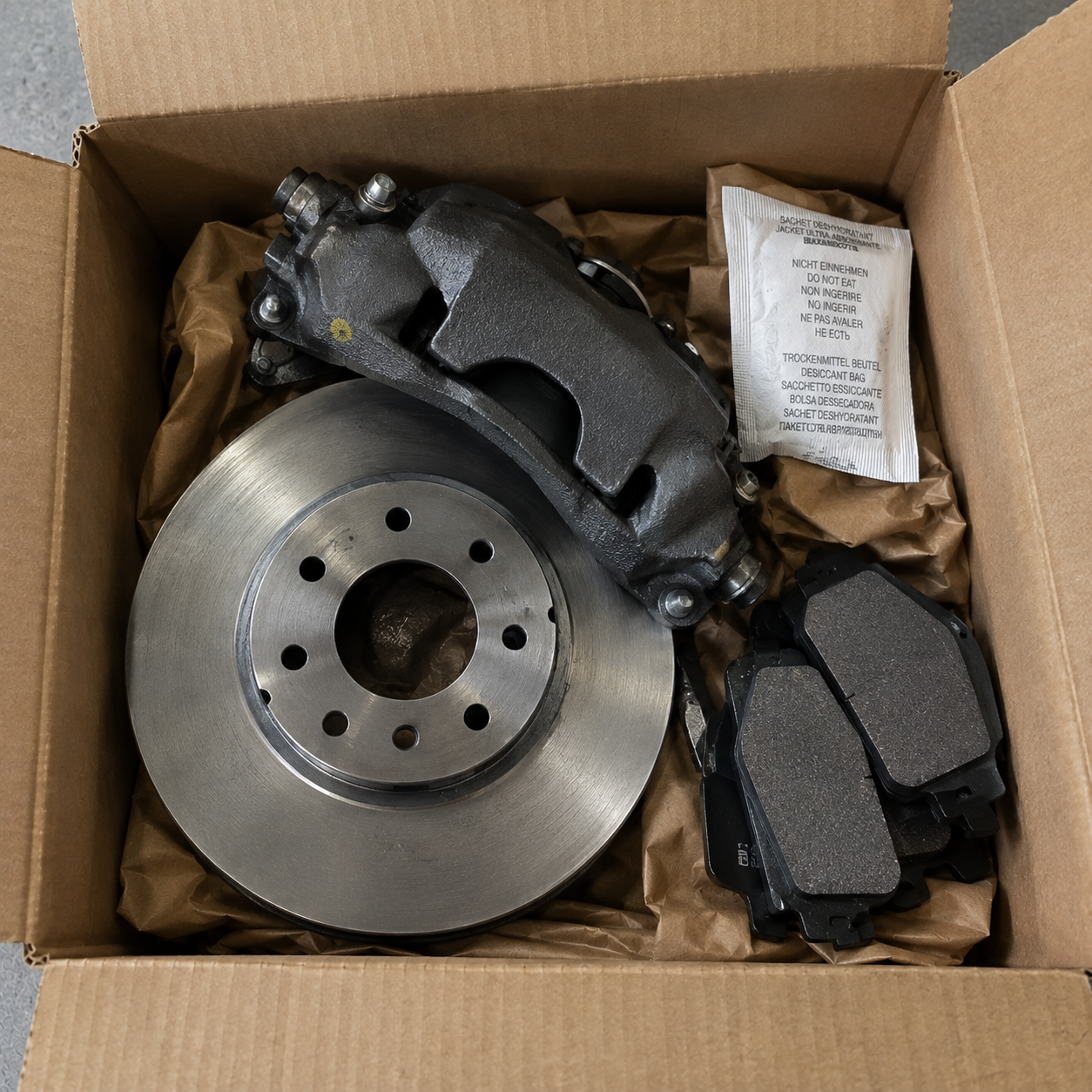
In the automotive sector, protecting components during storage, transport, and distribution is essential to preserve their quality and integrity. Moisture represents one of the main critical issues for numerous industrial products, from mechanical components and metal parts to electronic systems and automotive spare parts.
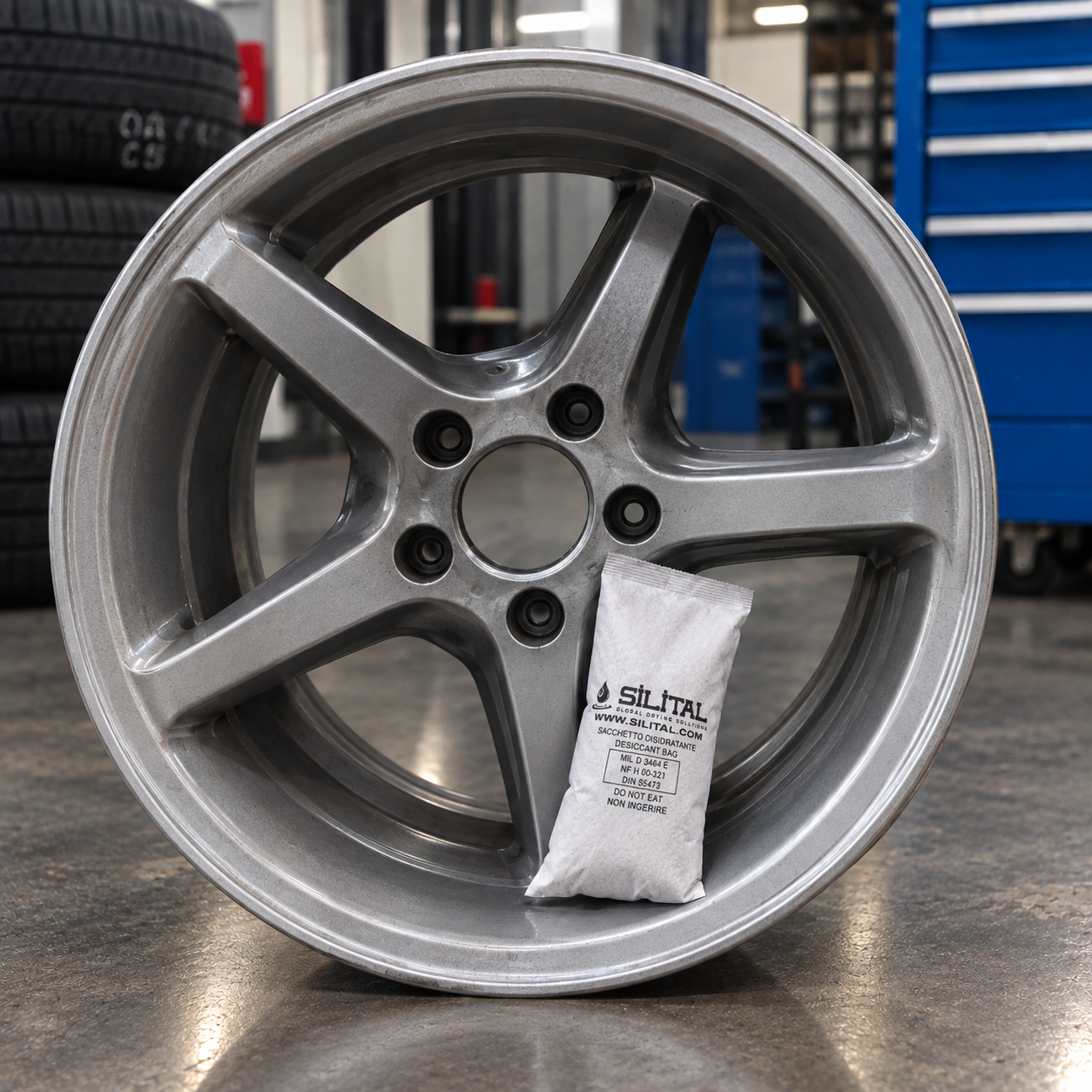
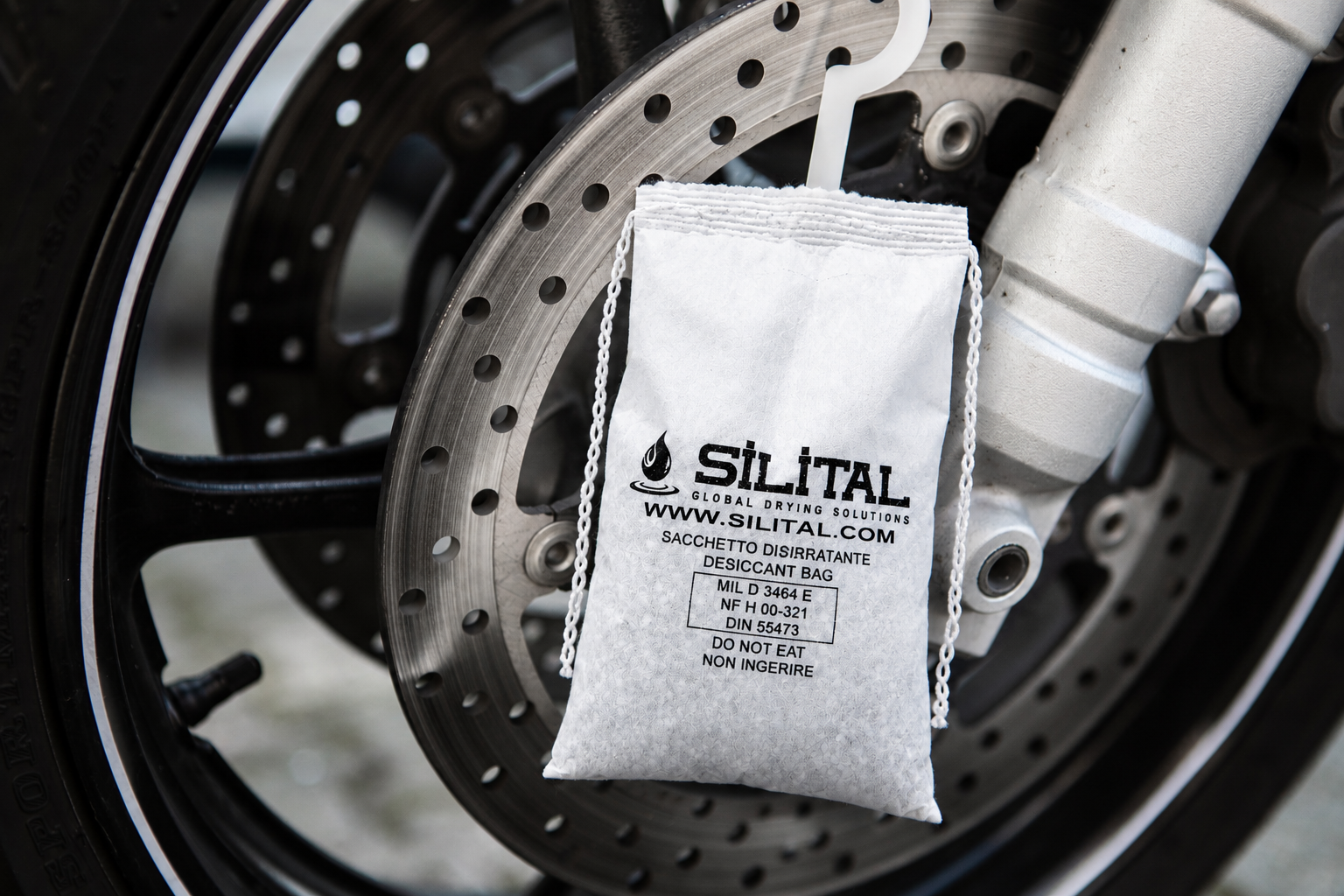
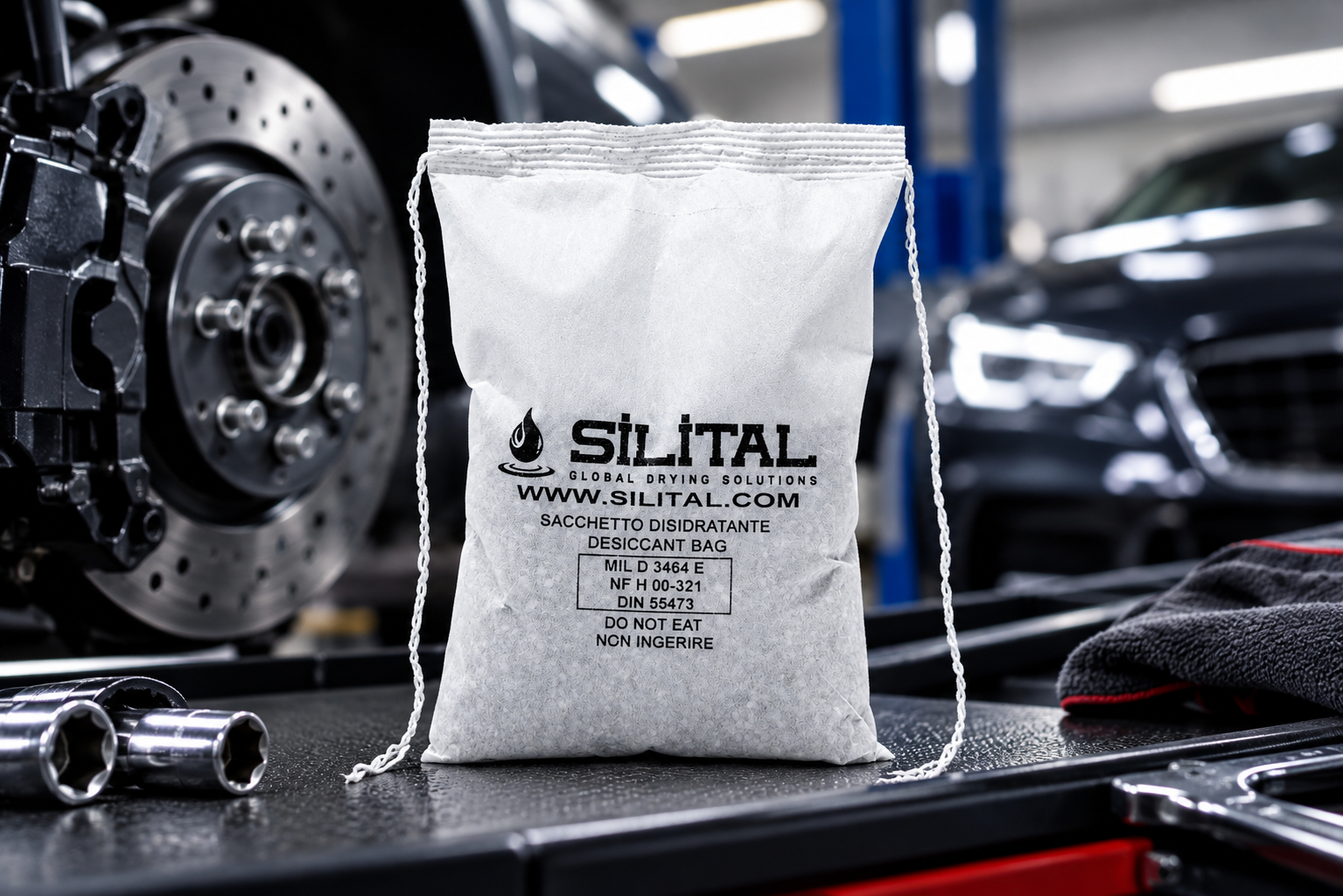
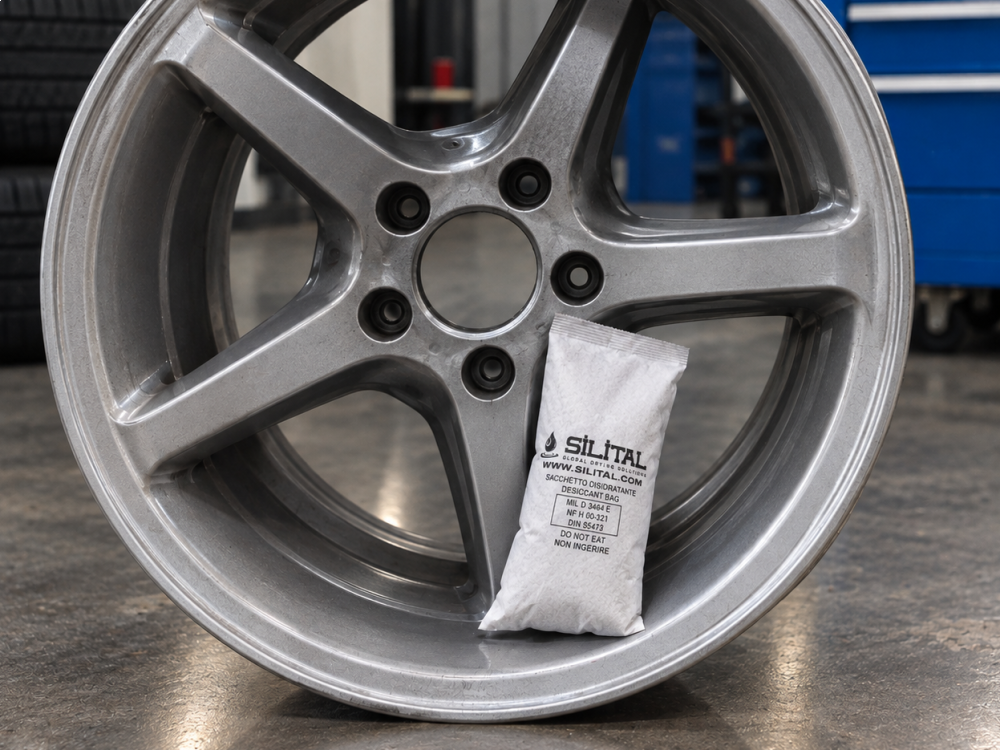
Desiccant bags for the automotive sector provide a solution for controlling humidity inside packaging, helping to protect sensitive components throughout the various stages of the automotive supply chain.
Choosing the most suitable desiccant material depends on the characteristics of the application and the transport and storage conditions. Available solutions include bags with silica gel, bentonite, and molecular sieves—materials with different properties that meet diverse moisture protection needs.
Our company offers desiccant solutions for industrial applications, with a particular focus on product quality and the needs of automotive companies. Our commitment is supported by ISO 9001 and ISO 45001 certifications and technical reference to DIN 55473 for desiccant agents.
Why protect automotive components from moisture?
During production, packaging, storage, and transport, automotive components can be exposed to temperature and humidity variations. These conditions can promote condensation and increase the risk of deterioration, especially when products face international shipping or long periods in storage.
The main risks include:
-
Corrosion of metal components, such as gears, fasteners, mechanical parts, and small hardware.
-
Moisture exposure of electronic components, including sensors, connectors, and control units (ECUs).
-
Deterioration during prolonged storage of spare parts and assembly components.
-
Condensation formation during transport, especially in the presence of wide temperature fluctuations.
Integrating an adequate moisture control system into the packaging helps reduce these risks and preserve product quality all the way to the final destination.
Types of desiccant bags for automotive applications
Selecting the right desiccant is an important aspect of industrial packaging design. Silica gel, bentonite, and molecular sieves have different characteristics and can be selected based on environmental conditions and the specific needs of the product to be protected.
Silica gel desiccant bags
Silica gel is a porous material capable of adsorbing water vapor present in the surrounding environment. It is used in numerous industrial applications to help control humidity inside packaging and containers. In the automotive sector, silica gel bags can be used for mechanical components, spare parts, and other moisture-sensitive products, depending on packaging characteristics and expected storage conditions.
Bentonite desiccant bags
Bentonite is a natural, 100% sustainable clay material with moisture-absorbing properties. Bentonite-based desiccants are used in various industrial packaging applications, including protecting components during storage and transport. Selecting this type depends on expected environmental conditions, the required level of protection, and the specific characteristics of the packaging.
Molecular sieve desiccant bags
Molecular sieves are adsorbent materials characterized by a selective porous structure, used when specific levels of moisture and gas control are required. Depending on the type used and operating conditions, they can be considered for industrial applications requiring stricter control of humidity or gases, including the packaging of technical components and sensitive products.
Choosing between silica gel, bentonite, and molecular sieves must take into account the technical specifications of the application, the required quantity of desiccant, and the characteristics of the packaging.
Applications of desiccant bags in the automotive sector
Mechanical and metal components
Mechanical parts, gears, bearings, transmission elements, and small metal parts can be sensitive to moisture during storage and transport. Using desiccant bags inside suitable packaging helps control humidity within the package and can be integrated with other protection systems, depending on the component's needs.
Electronic and electrical components
Electronics play an increasingly important role in the automotive industry. Control units, sensors, control modules, and connectors often require particular attention to storage conditions. Desiccant bags can contribute to moisture management in packaging intended for these products, in compliance with the manufacturer's technical specifications and packaging procedures.
Automotive spare parts and aftermarket
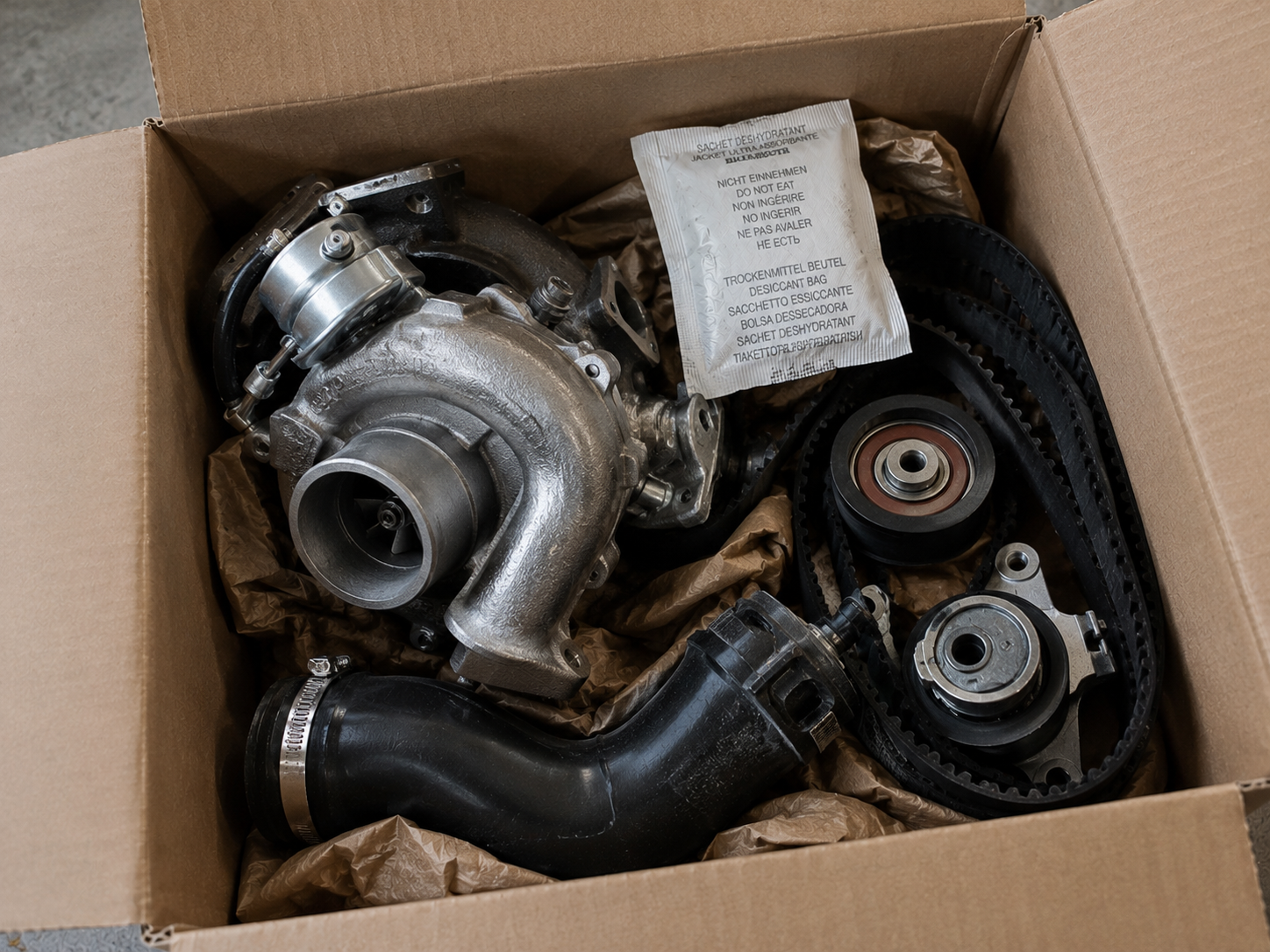
Automotive spare parts may remain in warehouses for extended periods before being distributed or installed. In these situations, moisture control is an important aspect for the proper preservation of components. Desiccant bags can be placed inside packaging for spare parts and moisture-sensitive industrial products, helping to maintain them in suitable conditions during warehousing and distribution.
Industrial packaging and international shipping
Automotive suppliers frequently manage shipments between production plants, warehouses, and distribution centers located in different countries. Climatic variations and temperature swings can increase the risk of condensation inside packaging and containers. Choosing an adequate protection system, which may include desiccant bags with different desiccant materials, makes it possible to address moisture issues based on expected transport conditions.
The advantages of desiccant bags for automotive packaging
Integrating desiccant bags into packaging processes means adopting a preventive measure for moisture control.
The main application advantages include:
-
Moisture protection: they help reduce water vapor present inside suitable packaging.
-
Solutions for different application needs: the availability of silica gel, bentonite, and molecular sieves allows evaluating different materials depending on the application.
-
Support for component preservation: they help manage moisture-related risks during transport and storage.
-
Integration into packaging processes: they can be used in different types of packaging, depending on production needs.
-
Support for international logistics: they contribute to moisture management in shipments of components and spare parts.
Effective protection depends on the correct selection and sizing of the desiccant, as well as the characteristics of the packaging used.
How to choose the most suitable desiccant bag?
Every automotive application has specific requirements. To identify the most appropriate solution, it is important to consider:
-
The type and sensitivity of the component.
-
The volume and materials of the packaging.
-
The expected duration of transport and storage.
-
The environmental conditions to which the product will be exposed.
-
The technical specifications required by the customer.
-
The type of desiccant material best suited to the application.
Evaluating these elements allows identifying the product most consistent with the characteristics of the component and the needs of the logistics chain.
Our company operates with a focus on quality and process reliability, referring to ISO 9001 and ISO 45001 certifications and DIN 55473 for desiccant agents, within their respective scope of application.