

05-01-2026
Molecular Sieves: what they are and why to use them in desiccant bags
Discover what molecular sieves are and why they are ideal in desiccant bags to protect sensitive pro

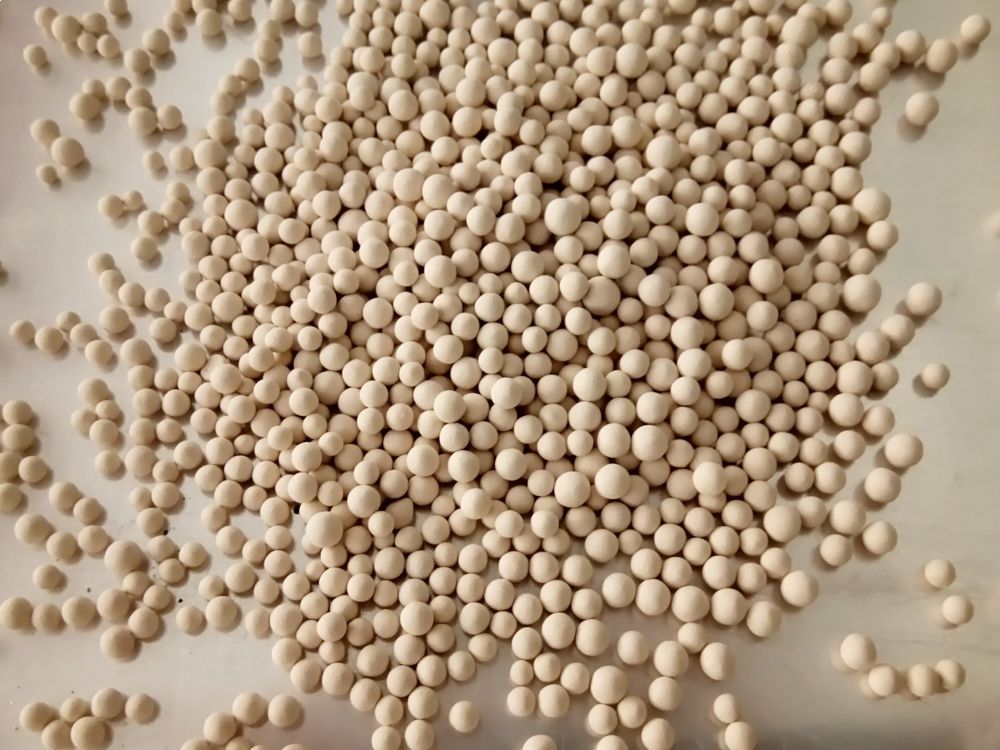
Molecular sieves are synthetic crystalline materials belonging to the aluminosilicate family, known for their highly porous and regular structure. Their main characteristic is the ability to select and retain molecules based on size: hence the term "molecular."
The pores of molecular sieves, in fact, have specific diameters (typically 3Å, 4Å, 5Å, or 10Å), which allow only certain substances to be absorbed, leaving out larger ones. This selectivity makes them extremely effective in removing humidity, gases, and other undesirable compounds even in critical conditions.
How they work
Unlike materials such as silica gel or clay, which absorb moisture more generically, molecular sieves act at a microscopic level, attracting and trapping water molecules or other excess gases.
They work through a physical process called adsorption: molecules are attracted and retained on the internal surface of the material's pores. The advantage? Molecular sieves can absorb moisture even in very low relative humidity conditions (down to 1–2%), where other desiccants cease to be effective.
Why use molecular sieves in desiccant bags
In the world of technical packaging and industrial logistics, humidity is a silent enemy. It can cause corrosion, oxidation, mold growth, deterioration of electronic, pharmaceutical, and mechanical materials. Desiccant bags are the most effective barrier to prevent all this — and molecular sieves are often the best choice when:
- A high absorption capacity is required even in very dry environments
- A rapid response to moisture present in the packaging is needed
- Sensitive or high-precision components must be protected
- Constant control of residual moisture is necessary
When are they preferable to other desiccants?
There are several types of commonly used desiccants: silica gel, activated clay, mineral salts like calcium chloride. Each has specific advantages. However, molecular sieves stand out for their superior performance in particularly technical situations:
|
Situation |
Best Desiccant |
|
Moderate and constant humidity |
Clay |
|
High and visible humidity (e.g., container) |
Calcium chloride |
|
Aesthetic or food necessity |
Silica gel |
|
Low RH environments or complex technical needs |
Molecular Sieves |
For example, in sectors such as:
- Precision electronics
- Optics and lenses
- Pharmaceutical and medical
- Aerospace
- Vacuum packaging
the use of bags with molecular sieves guarantees superior protection.
The main advantages of molecular sieves
- Rapid and effective absorption even at very low RH
- Total control of residual moisture
- Stability even in extreme conditions (high and low temperatures or sealed environments)
- Predictable saturation and long life
- Compatibility with delicate materials and critical components
Silital desiccant bags with molecular sieves
Silital offers desiccant bags with molecular sieves designed to meet the needs of the most demanding customers. They are available in various sizes, grammages, and packaging materials (Tyvek, paper, TNT) and can be supplied:
- In chains on reels, ideal for automatic packaging lines
- In microbags, for precision applications or in reduced spaces
- With labeling or personalization, for traceability or branding
- Bags from 3 gr. up to 1 kg
Each product is accompanied by complete technical data sheets, declarations of conformity, and, upon request, personalized consultation for choosing the most suitable solution.
Molecular sieves represent one of the most advanced technologies for humidity control. Inserted into desiccant bags, they ensure maximum protection and precision, especially when conditions are critical or the products to be stored have high safety and quality standards.
For companies operating in high-tech sectors, choosing the right desiccant means avoiding damage, waste, and economic losses. With Silital's experience and quality products, it is possible to guarantee protection, efficiency, and reliability at every stage of the supply chain.

